 by
by 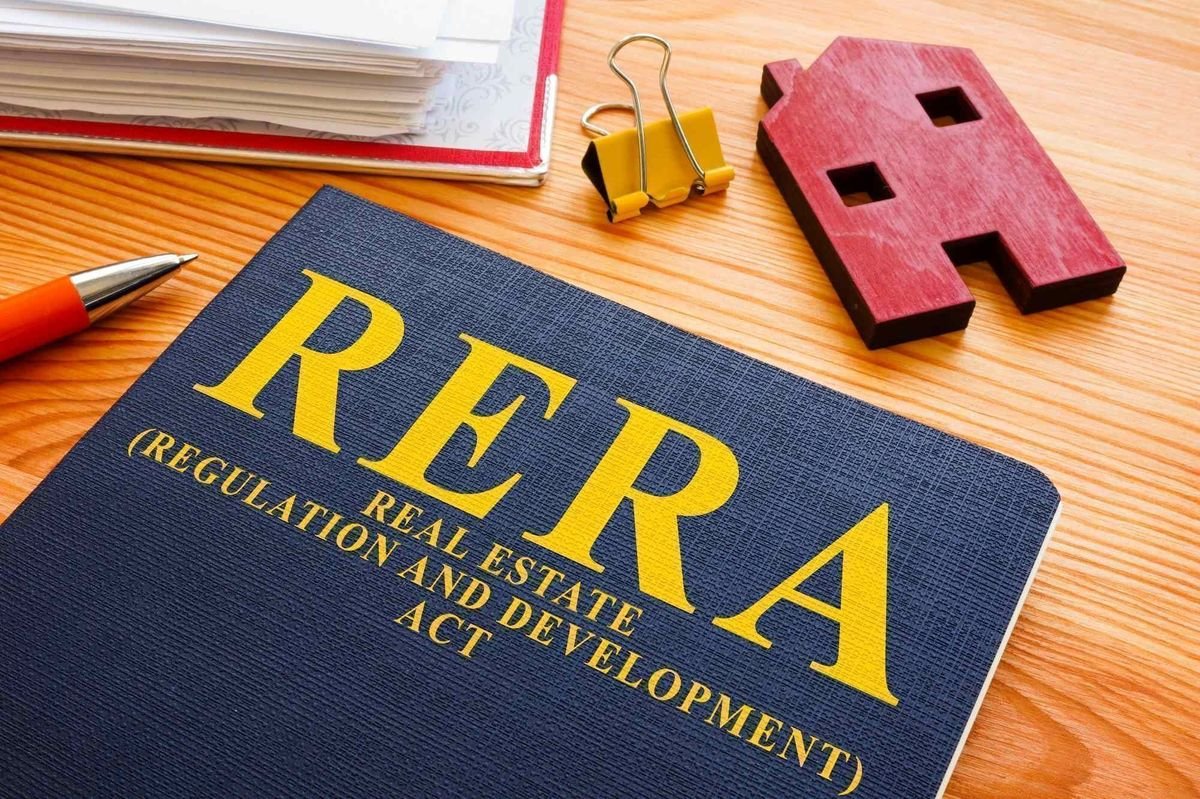
The Indian real estate market changed forever in 2016 with the introduction of the Real Estate (Regulation and Development) Act, commonly known as RERA. For the first time, homebuyers received a legal framework that protected their money, ensured transparency, and held builders accountable.
Today, RERA is one of the strongest reasons buyers feel confident investing in new projects — and understanding it helps every client make smarter, safer decisions.
Why RERA Was Introduced?
Before RERA, buyers often faced:
- Delayed projects
- Hidden costs
- Unclear approvals
- Poor construction quality
- No accountability from builders
RERA was created to solve these issues and bring trust, transparency, and discipline to the sector.
What RERA Means for Homebuyers?
RERA gives buyers a set of powerful rights and protections that didn’t exist earlier.
- Full transparency — Builders must disclose land status, approvals, timelines, and project details.
- Timely delivery — If the builder delays, they must compensate the buyer.
- Standardized carpet area — No more confusion between super built-up and carpet area.
- Protection of funds — 70% of the project money must be kept in a dedicated bank account.
- Right to information — Buyers can track project progress on the state RERA website.
- Legal support — Buyers can file complaints directly with RERA authorities for quick resolution.
These rules ensure that the buyer’s investment is protected at every stage.
What RERA Means for Builders?
RERA also sets clear responsibilities for developers, ensuring professionalism across the industry.
- Mandatory registration for all new projects
- Accurate advertising — No false promises or misleading brochures
- Regular updates on construction progress
- Strict adherence to approved plans
- Financial discipline through escrow accounts
This has raised the overall quality and credibility of developers across India.
Key Features of RERA Every Client Should Know!
- Carpet Area Standardization
Builders must sell based on carpet area — the actual usable space — not inflated numbers. - Escrow Account Rule
70% of the funds collected must be used only for that project, preventing diversion of money. - Interest Rate Parity
If buyers delay payments, they pay the same interest rate that builders pay for delays. - Five-Year Defect Liability
Builders must fix structural defects for up to five years after possession. - Fast-Track Dispute Resolution
RERA aims to resolve complaints within 60 days.
How RERA Benefits Investors?
Investors gain:
- Higher trust in under-construction projects
- Better resale value for RERA-registered properties
- Lower risk of fraud or abandonment
- Clear documentation and legal protection
RERA has made real estate a more stable and predictable investment class.
How to Check if a Project Is RERA-Registered?
Every state has its own RERA website where you can:
- Search for the project
- Verify approvals
- Check timelines
- Review builder history
- Track construction updates
This transparency helps buyers make informed decisions without relying solely on sales pitches.
Why RERA Matters Today?
RERA has reshaped the real estate landscape by:
- Increasing buyer confidence
- Encouraging ethical builder practices
- Reducing project delays
- Improving construction quality
- Making the market more organized and trustworthy
For anyone buying or investing in property, understanding RERA is not optional — it’s essential.




Join The Discussion